Why Are We So Tired Even When We Rest?
Feeling tired even after resting? Discover why sleep alone isn’t always enough and how screen-free activities like reading, coloring, and creative hobbies can help reduce mental fatigue, restore focus, and improve overall wellbeing.

Clara Ezikeoha
I love to romanticize my life 💕
Have you ever spent an entire weekend in bed and still felt exhausted on Monday morning?
You slept. You stayed home. You watched your favourite shows. You scrolled through social media. Maybe you even cancelled plans to “recharge.”
Yet somehow, you still felt tired.
If you’ve experienced this, you’re not alone.
Many people today are discovering that rest and recovery are not always the same thing.
The Difference Between Rest and Recovery
When most of us think about rest, we think about stopping work.
We think about sleeping longer, staying indoors, or spending hours on our phones.
But our minds and bodies need more than the absence of work. They need activities that actively restore us.
Imagine charging your phone while leaving dozens of apps running in the background. Technically, it’s plugged in, but the battery is still draining.
Many of us live the same way.
We’re physically resting, but mentally we’re still processing information every second.
Notifications. Videos. Messages. News. Emails. Trends. Opinions.
Our brains rarely get a chance to slow down.
The Hidden Cost of Constant Stimulation
The average person consumes more information in a single day than previous generations could have imagined.
Every scroll presents something new.
A new video.
A new headline.
A new argument.
A new trend.
While technology has made life more convenient, it has also made it harder to experience true stillness.
Many people finish a day feeling overwhelmed without being able to explain why.
It’s not always because they worked too hard.
Sometimes it’s because they never stopped consuming.
Why Creative Activities Feel Different
Think about the last time you were completely absorbed in a simple activity.
Reading a great book.
Sketching.
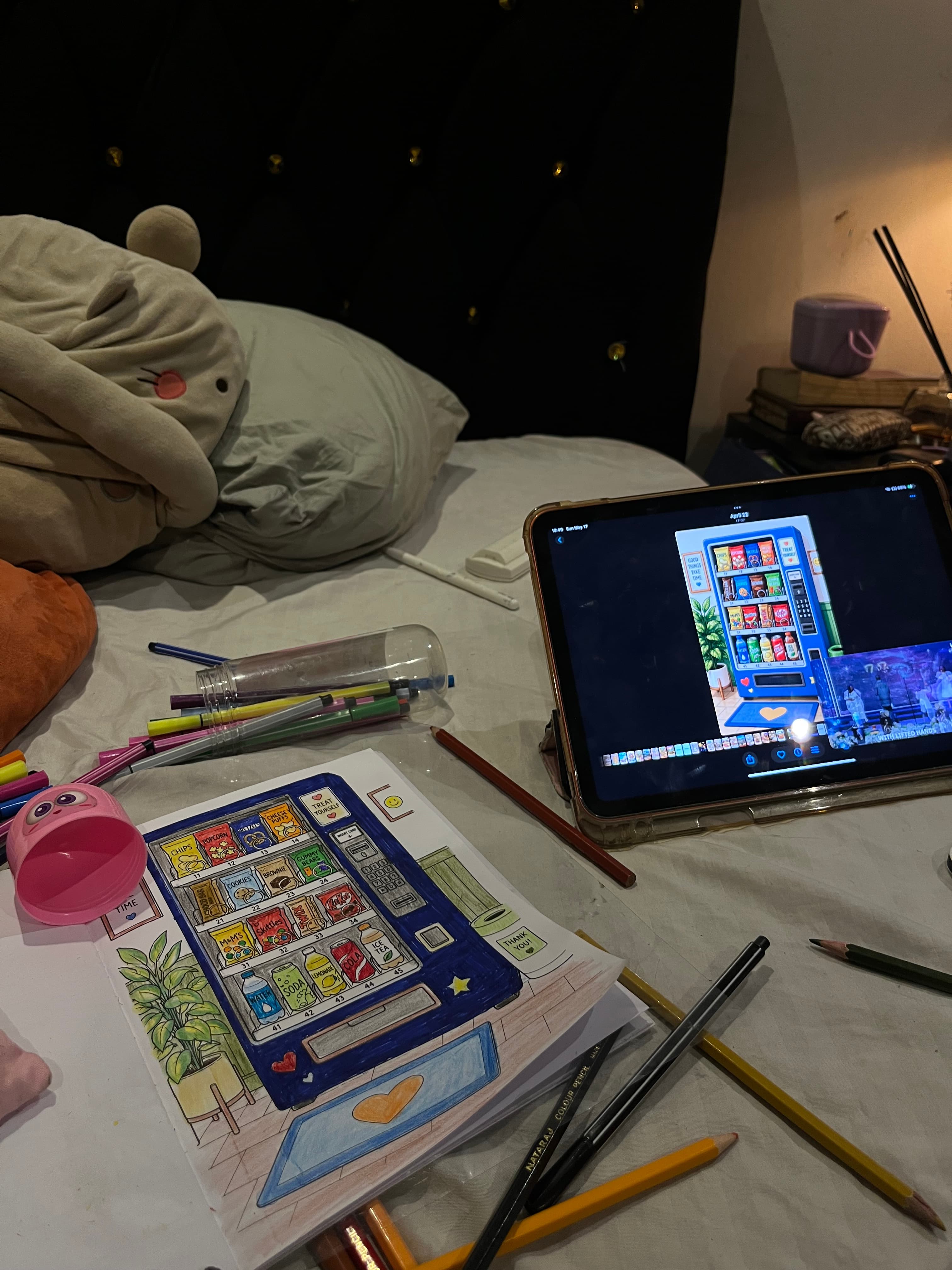
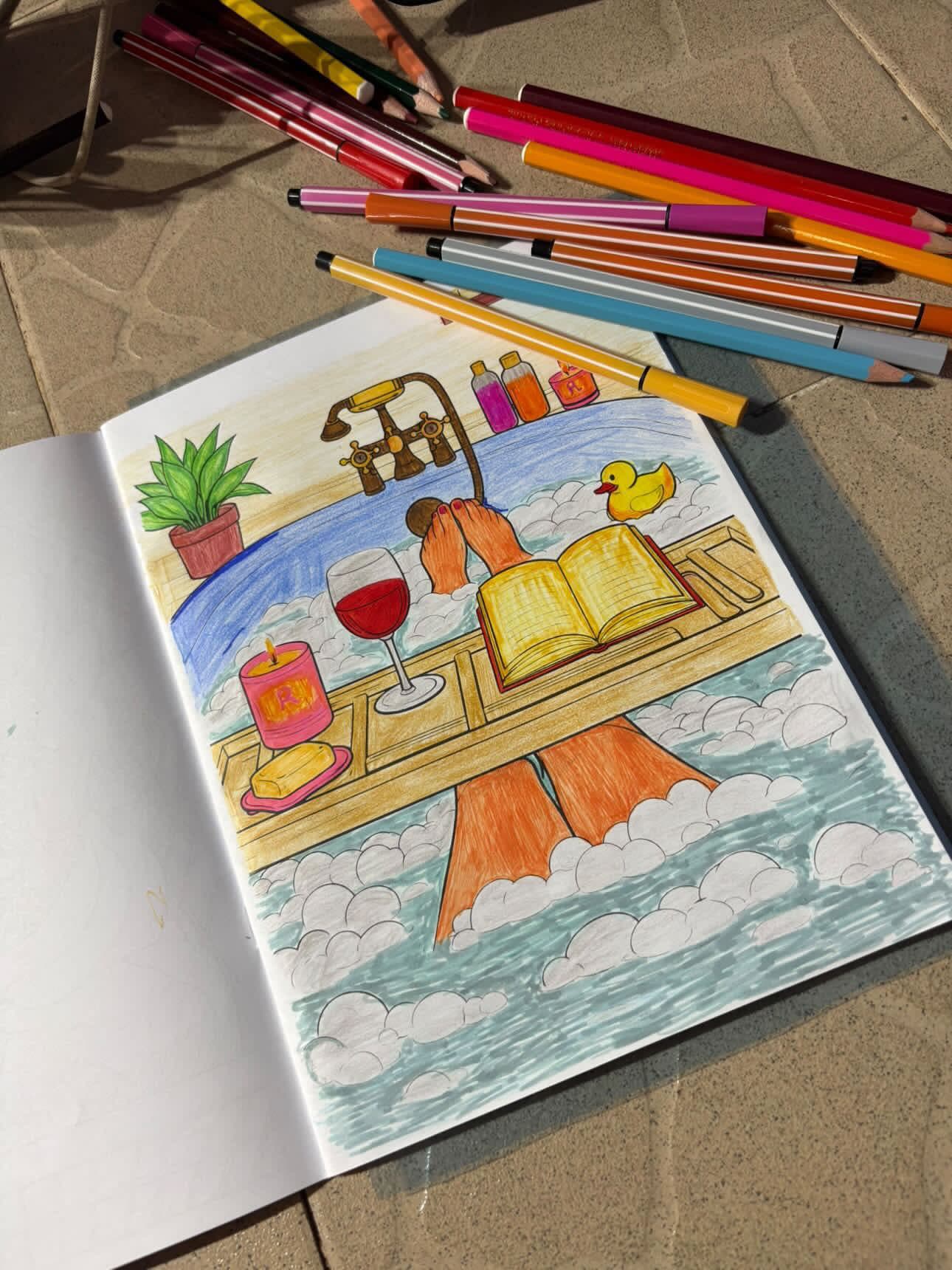
Colouring.
Journaling.
Building something with your hands.
Listening to music without checking your phone.
These activities engage the mind differently.
Instead of demanding constant attention, they encourage focus.
Instead of overwhelming the brain with information, they allow the brain to settle into a calmer rhythm.
This is one reason many people describe creative hobbies as relaxing, even when they require concentration.
The mind isn’t being overloaded.
It’s being engaged.
Rest Doesn’t Have To Be Expensive
One of the biggest misconceptions about self-care is that it has to involve luxury.
Spa days.
Vacations.
Expensive retreats.
While those things can be wonderful, meaningful rest can also come from simple daily habits.
Reading for twenty minutes before bed.
Taking a walk without headphones.
Colouring while listening to your favourite playlist.
Writing down your thoughts in a journal.
Spending time with people who make you feel safe.
Often, the most restorative activities are the ones that create space between us and constant stimulation.
Creating Your Own Relaxation Ritual
The best relaxation routine is not the most complicated one.
It’s the one you’ll actually stick to.
Start small.
Choose one screen-free activity you enjoy.
Set aside just fifteen to twenty minutes a day.
Protect that time.
Treat it as an appointment with yourself.
Over time, those small moments of intentional rest can have a surprisingly powerful impact on how you feel.
A Different Way To Relax
At Relaks, we believe relaxation should be simple, accessible and enjoyable.
That’s why we’re passionate about screen-free activities that help people slow down, express themselves creatively and reconnect with themselves.
Because sometimes the answer isn’t getting more sleep.
Sometimes it’s giving your mind a different kind of rest.
And in a world that constantly demands your attention, that might be one of the most valuable things you can do for yourself.